Trump Suggests US Could Impose Toll On Strait of Hormuz As Tensions With Iran Escalate
Donald Trump has floated the idea of the United States charging ships a fee to pass through the strategically vital Strait of Hormuz, a key route for global oil and gas shipments. His remarks come amid heightened tensions with Iran, which has been accused of controlling access to the passage. Trump also issued a stern warning to Tehran, calling for immediate compliance with US demands or facing possible military strikes on critical infrastructure. Experts say any attempt by the US to enforce such tolls would likely require a significant military presence in the region, raising serious concerns about global trade disruption and geopolitical stability.
 indianewsreport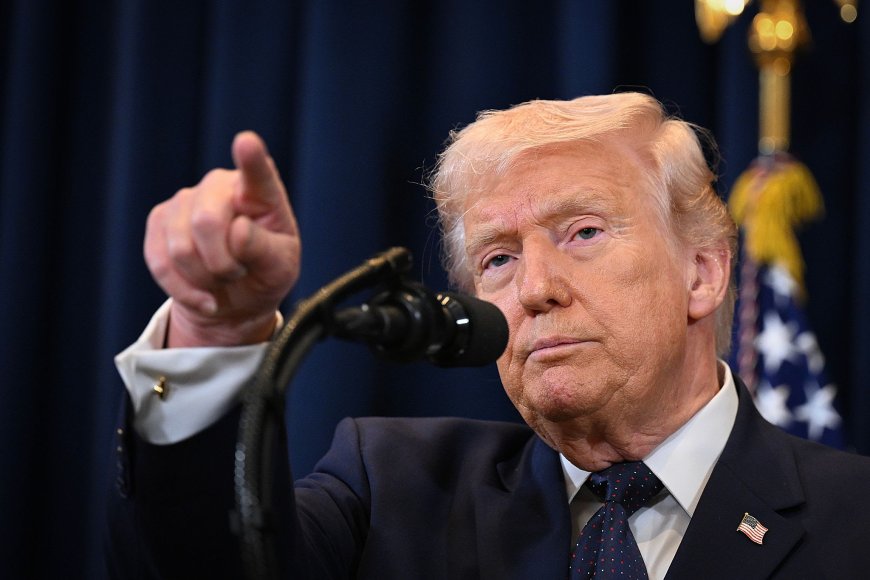
Washington: US President Donald Trump has indicated that the United States could consider charging tolls on ships passing through the strategically important Strait of Hormuz, one of the world’s most critical maritime routes for oil and gas transportation. His remarks come at a time of heightened tensions with Iran, which has been accused of tightening its grip over the key waterway.
Responding to a question on whether he would allow Iran to continue controlling access to the strait, Trump suggested that the US might instead impose its own charges. “Why shouldn’t we charge tolls? I would prefer that over letting them benefit,” he said.
The Strait of Hormuz connects the Persian Gulf to the Indian Ocean and handles nearly one-fifth of global oil and LNG shipments during normal times. Any attempt by the United States to introduce tolls would likely require a significant military presence or direct control over the passage, most of which lies within Iranian and Omani territorial waters.
Trump also reiterated his claim that Iran has been militarily weakened, despite ongoing drone and missile activities in the region. He dismissed Tehran’s capabilities, stating that its remaining strength lies more in psychological tactics than actual military threat.
Meanwhile, reports suggest that Iran may already be charging certain vessels heavy fees—reportedly up to $2 million—for safe passage through the strait. With around 120 ships crossing daily, a similar move by the US could generate massive revenue.
The US President further issued what he described as a “final ultimatum” to Iran, demanding that it reopen the strait and agree to Washington’s conditions. He warned that failure to comply could lead to strikes on critical infrastructure, including bridges and power facilities.
On the other hand, Iranian leaders have signaled that the situation in the Strait of Hormuz may not return to its previous state. Officials have proposed new frameworks for managing the waterway after the conflict, emphasizing regional cooperation and safeguarding national interests.
As tensions continue to escalate, the future of this vital global trade route remains uncertain, raising concerns about energy security and stability in the Middle East.